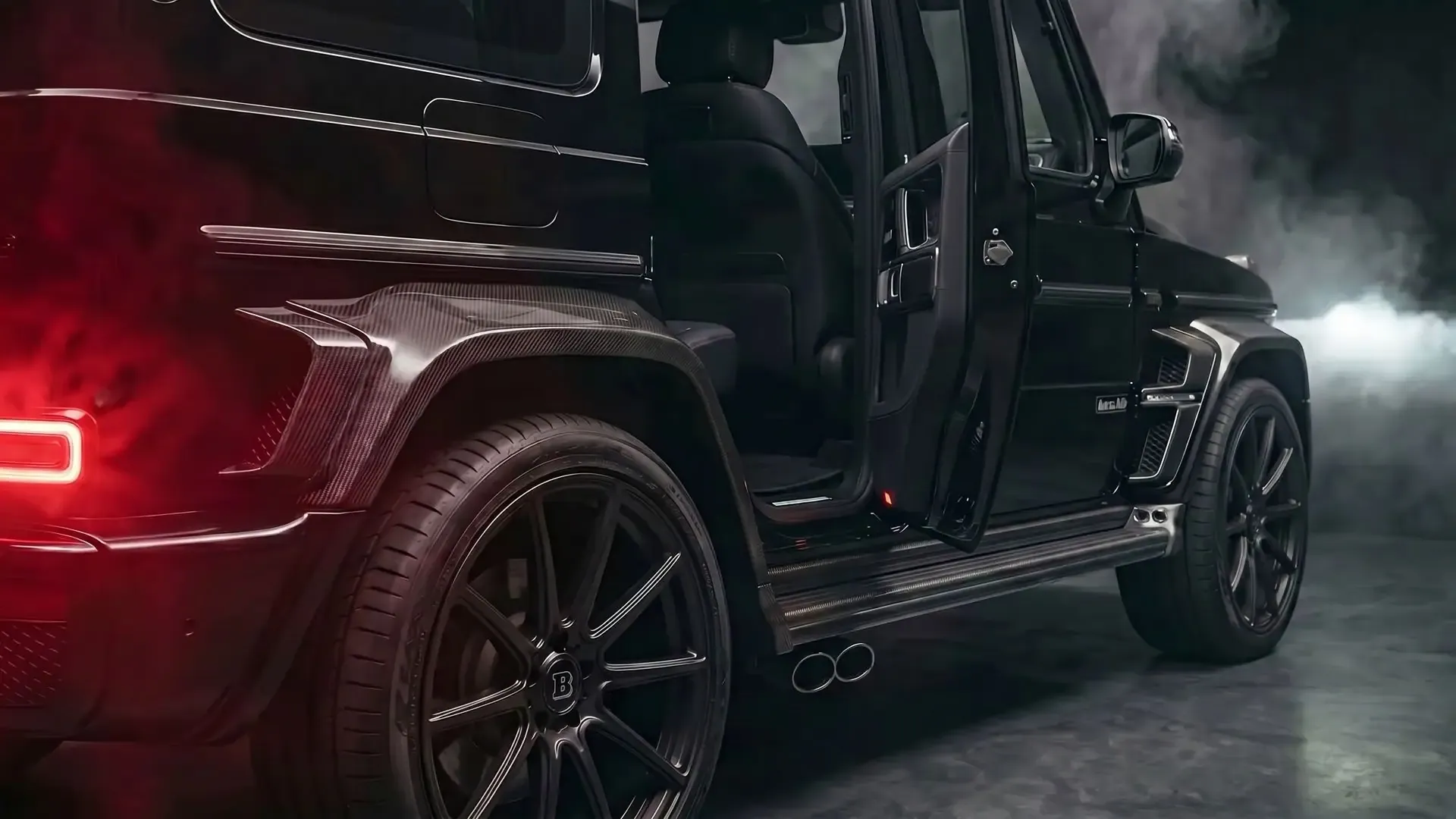
Two jobs. Two films. One car.
A film can shield the paint from chips, salt and sand-blasting — or it can completely change the personality of the car. Most people confuse the line between protection and decoration. We don't.
Protective
Polyurethane 190–210 µm
Thick, elastic, transparent or coloured film. It absorbs gravel, sand and branches instead of the paint. On a properly painted car it lives 5–7 years and comes off without a trace.
- 190–210 micron thickness
- Chip and sand-blast protection
- Self-healing on minor scratches
Vinyl PVC ~110 µm
Twice as thin as polyurethane. It does not protect from impacts or abrasion — it is a styling tool. Hundreds of colours, finishes and effects: matte, satin, shimmer, metallic, carbon, chrome, brushed steel.
- ≈ 110 micron thickness
- Hundreds of colours and textures
- Decorative function only
Three protection types — three jobs
Polyurethane comes in three flavours. They differ not only in look but in the outcome you actually get. We work with premium films from PWF, Hexis Skintac HX30000, MonoPPF DaVinci, 3M Wrap Film 2080, Avery SW900 and KPMF.
Glossy polyurethane
Transparent film. It preserves the original paint colour and deepens it — the car looks like it just left the dealership, only protected. The right call when your factory paint is beautiful and you want to keep it that way.
Matte polyurethane
Mixing matte paint and matte clear is brutally hard even for premium body shops. Matte polyurethane sidesteps that: you get a perfectly even matte surface laid over normal paint. The colour underneath stays untouched.
Coloured polyurethane
Changes the car's colour and protects the body at the same time. Thick, dense pigment, even coverage. The right choice if you want a new colour but refuse to give up protection — two outcomes in one film.
The film lives only as long as the paint underneath.
If the car was repainted off-spec — wrong prep, weak primer, undercured clear — the film will pull off with the clear coat. It is the most common disaster in our industry. That's why we always inspect the paint before wrapping. If we have doubts, we say so honestly.
- 01Panel preparation (cleaning, degreasing)
- 02Correct primer
- 03Correct base coat
- 04Clear coat with the right thickness
- 05Full layer curing
These five points decide whether your bodywork survives the day the film is removed.
Body — polyurethane. Door jambs — vinyl.
Polyurethane at 190–210 µm is too thick to lay neatly into door jambs, hood and trunk seams. So we wrap those zones in vinyl — thinner, more elastic, perfect for tight geometry.
The vinyl colour for the jambs is matched as closely as possible to the polyurethane on the body. A perfect match is impossible because the materials behave differently — but we pick the closest tone from a huge palette.
When style is the point
Vinyl PVC is about design. It does not protect from gravel or abrasion: it's twice as thin as polyurethane. What it does deliver is colour, texture and effects no factory paint can match.
Massive palette
Hundreds of shades, finishes and effects from the world's top manufacturers.
Change the look
Perfect when you want a new colour without committing to a respray.
Removes cleanly
On healthy paint vinyl peels off without leaving anything behind.
Vinyl + polyurethane = double protection
These two films don't compete. Stack them and you get either maximum protection or maximum freedom for colour changes.
Vinyl under polyurethane
Vinyl in your colour goes on first, then a glossy or matte polyurethane on top. Two layers of protection: 110 µm vinyl + 190 µm polyurethane. The body disappears, the paint is fully shielded. Vinyl lasts longer when sealed under polyurethane.
- Outcome
- ≈ 300 µm of total film
- Trade-off
- Changing the colour later means peeling both layers.
Polyurethane under vinyl
First the body is sealed in clear polyurethane, then vinyl in any colour goes on top. The vinyl can be swapped any time — peel only the top layer and apply a new colour without touching the protection underneath.
- Outcome
- Protection + easy colour swaps
- Trade-off
- Vinyl wears faster on the top — that's expected.
Transparent from request to handover
No shortcuts at the cost of quality. Every step is documented with photos.
- 01
Request
We discuss the goal, film type and rough budget. We schedule a convenient time for you to drop the car off.
- 02
Paint inspection
We accept the car and document every defect — chips, scratches, orange peel. The photo report stays in your file.
- 03
Approval
Based on the inspection we choose film, colour and scope. We sign the estimate and timeline. No surprises in the final invoice.
- 04
Work · 5–7 days
Climate-controlled clean booth, degreasing, application with heat-set. No rushing, no two cars in the booth at once.
- 05
Handover
Final inspection together with the client, before/after photo report, care instructions. Free follow-up inspection a month later.
Paint protection film price by vehicle class
Base price depends on the vehicle class. Work time — 5–7 days. Warranty — 5 years on film and 1 year on labour.
| Vehicle class | Full PPF wrap | Front + risk zones |
|---|---|---|
| Class 1 — C-class sedans | from 200,000 ₽ | from 75,000 ₽ |
| Class 2 — E/S-class, X3/X4, Q3/Q5 | from 250,000 ₽ | from 80,000 ₽ |
| Class 3 — SUVs, V-class | from 300,000 ₽ | from 85,000 ₽ |
| Class 4 — G-class, Rolls-Royce, Bentley | from 350,000 ₽ | from 90,000 ₽ |
Armor-Auto studio · St. Petersburg, 34D Elizarova Ave. Class depends on body size. Final price is set after vehicle inspection.
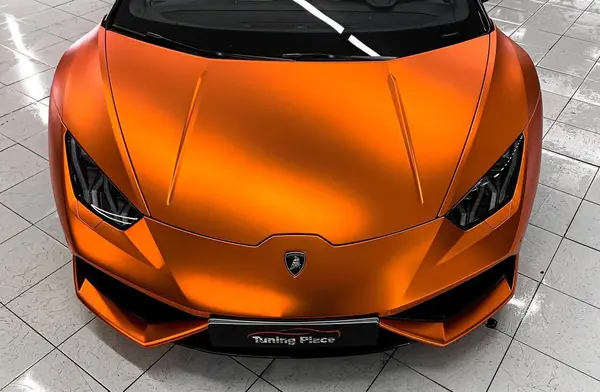
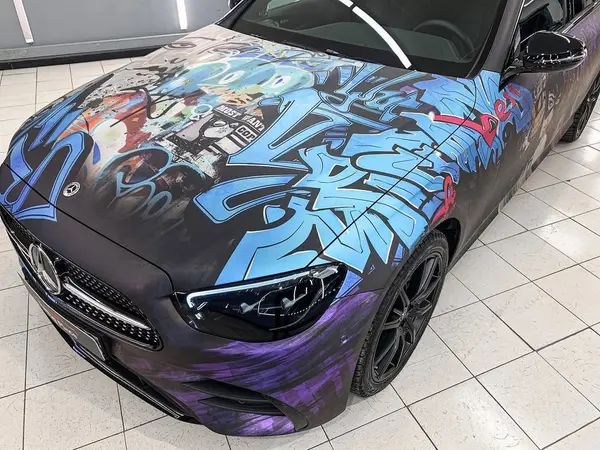
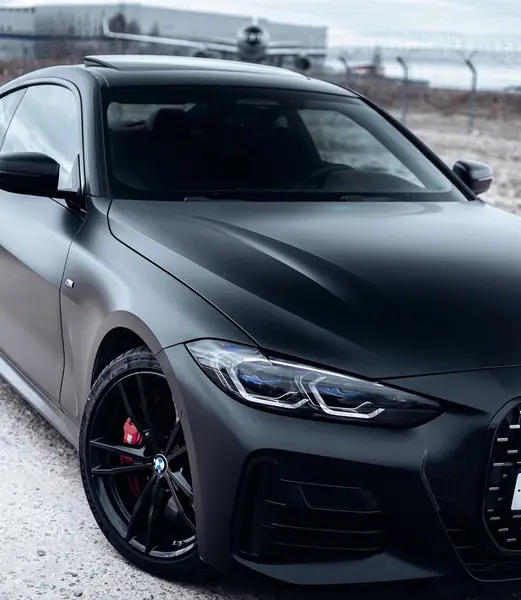
Real cars from real clients
Project photos coming soon. If you want to see specific case studies right now — leave a request and we'll send the portfolio over WhatsApp.
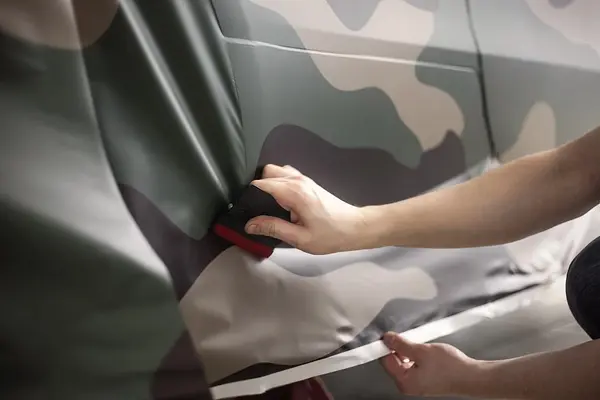
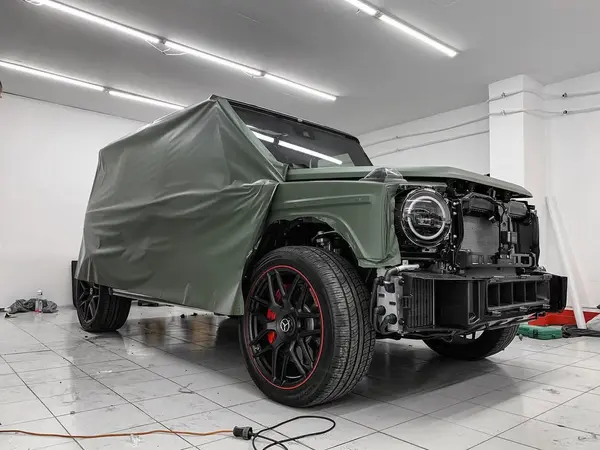
Often booked together
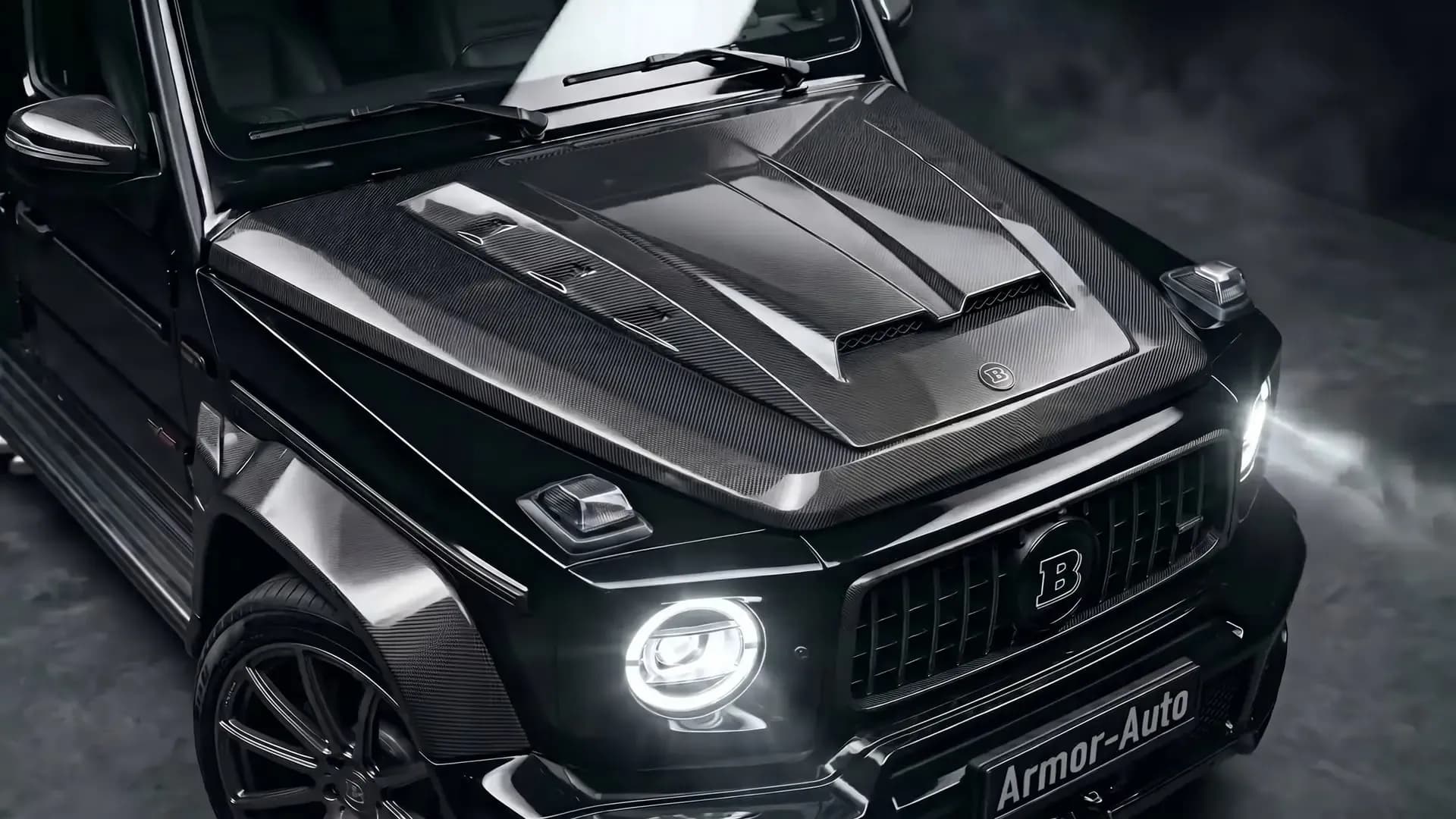
Additional Armor-Auto services that complement what you’re booking.
Customer reviews
- ★★★★★June 2026
Делал тонировку задней полусферы и пленку от пескоструя на переднюю часть. Быстро , качественно.
- ★★★★★June 2026
Ребята - профессионалы своего дела! Оклеили авто в плёнку, сделали уборку салона, бонусом почернили резину. Чисто, уютно, вежливые работники. Рекомендую!
- ★★★★★June 2026
Мастера своего дела👍 смело обращайтесь 👍
- ★★★★★June 2026
Отличные парни, сотрудничаем несколько лет. Были и оклейки пленной и восстановление после ДТП. Всегда на уровне и в срок. Подход очень грамотный и клиентоориентированный
- ★★★★★June 2026
Костю знаю несколько лет. Свои машины клею и тонирую. Несколько товарищей привел, так они тут же и обслуживаются. За такое качество, сервис и соблюдение сроков я считаю что цена даже немного занижена!
What people usually ask
Long-term relationship with the client
Wrapping is not a one-time service. We follow the car for years: monitor the film's condition, do seasonal maintenance, carefully remove and re-apply when needed. We stay in touch with our clients after the car leaves the studio — because film only works in tandem with proper care.
Book a slot
We will get back within 15 minutes.